
Modern companies are facing increasing pressure to improve productivity, reduce delays, and maintain consistent service quality. Organizations in different industries are now investing in smarter systems that simplify operations and help teams focus on meaningful tasks. As competition continues to grow, businesses are realizing that outdated methods create barriers to growth and innovation. Companies that adapt quickly often gain stronger customer trust and long-term stability.
Understanding Modern Business Automation
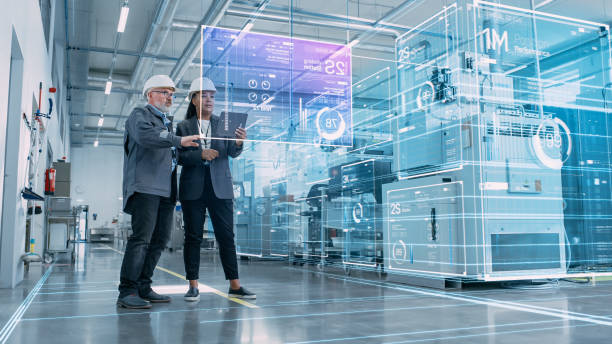
Digital tools have transformed how organizations manage communication, data, and customer experiences. Many businesses are now integrating automatización empresarial into their daily operations to reduce repetitive activities and improve accuracy. Automated systems can handle scheduling, inventory tracking, customer support, and reporting with minimal human intervention. This approach allows employees to dedicate more time to strategic planning and creative responsibilities.
Businesses also benefit from improved workflow visibility. Managers can monitor performance in real time and identify inefficiencies before they become major issues. Automation platforms provide valuable insights that support better decision-making and operational consistency.
The Role of Digital Transformation
Technology adoption is no longer limited to large corporations. Small and medium-sized businesses are also embracing transformación digital empresarial to remain competitive in evolving markets. Digital transformation involves integrating modern technology into every area of business operations. It changes how organizations deliver services, communicate internally, and respond to customer expectations.
Cloud computing, artificial intelligence, and data analytics are becoming essential tools in this process. These technologies help companies improve collaboration, enhance customer satisfaction, and reduce operational costs. Organizations that successfully implement digital transformation strategies often experience stronger adaptability during market changes.
Improving Productivity and Accuracy
One major advantage of automation is the reduction of human error. Manual processes frequently lead to delays, duplicated work, and inconsistent results. By implementing automatización empresarial, companies can create standardized workflows that improve efficiency across departments. Automated systems ensure that tasks are completed according to predefined rules and schedules.
Employees also experience less stress when repetitive work is minimized. Teams become more productive because they can concentrate on innovation, customer relationships, and business development rather than routine administration. As a result, organizations often achieve faster project completion and improved service quality.
Enhancing Customer Experience
Customer expectations continue to evolve in the digital era. People expect quick responses, personalized interactions, and seamless online experiences. Businesses that invest in transformación digital empresarial can meet these expectations more effectively through integrated communication systems and intelligent customer support tools.
Automation also supports faster response times through chat systems, automated emails, and real-time tracking features. Customers appreciate efficient service because it creates confidence and improves overall satisfaction. Companies that consistently deliver positive experiences often build stronger customer loyalty and higher retention rates.
Financial Benefits of Automation
Operational efficiency directly impacts profitability. Businesses that streamline workflows often reduce unnecessary expenses and allocate resources more effectively. Implementing automatización empresarial can lower administrative costs, minimize delays, and improve resource management.
Automated financial systems also simplify invoicing, payroll, and expense tracking. This improves financial transparency and reduces the risk of accounting mistakes. Organizations can use these savings to invest in growth initiatives, employee training, and technology upgrades.
Building Long-Term Business Resilience
The business environment continues to change rapidly because of evolving customer demands and technological advancements. Companies that rely entirely on traditional methods may struggle to adapt during uncertain conditions. Through transformación digital empresarial, organizations develop greater flexibility and resilience.
Digital systems enable remote collaboration, real-time communication, and faster access to information. These capabilities help businesses continue operating efficiently even during unexpected disruptions. Organizations that embrace innovation are often better prepared for future challenges and market opportunities.
Encouraging Innovation Across Teams
Innovation becomes easier when employees have access to efficient digital tools. Automation reduces repetitive workloads, giving teams more time to develop creative solutions and strategic ideas. Businesses that integrate automatización empresarial often create a culture focused on continuous improvement and innovation.
Employees are more likely to contribute new ideas when administrative burdens are reduced. Collaborative technologies also improve communication between departments, encouraging faster problem-solving and stronger teamwork.
Conclusion
Modern businesses cannot ignore the importance of technology-driven growth. Organizations that invest in automatización empresarial gain improved efficiency, stronger productivity, and better operational accuracy. At the same time, transformación digital empresarial helps businesses adapt to changing customer expectations and evolving market conditions. Companies that combine automation with digital transformation strategies position themselves for long-term success, resilience, and sustainable growth in an increasingly competitive world.









Leave a Reply