
Distinguishing the unique cost profiles of a local region’s real estate market needs clear data. Knowledge-worker navigating today’s cannabis ecosystem needs no shorter precision. From these consumer segments, businesses needed to deploy capital smartly. The key to a successful deployment is leveraging a cannabis-native DSP (Demand-Side Platform) that leverages zero-party A21+ shopper data.
Retail operators must be sure to run campaigns directly related to his or her business model in order to get the most out of this data. A business may operate as a tourist facility or Medical Center. Your approach to audience targeting and running a programmatic publisher marketplace will vary slightly from each setup.
Defining the Operational Models
The right operational framework is the foundation of your entire marketing strategy. Your choice changes your compliance obligations and the reach of your digital advertising.
The Retail Cannabis Blueprint
Adult consumers ages 21+ are served at a recreational dispensary. These organizations work in a universally competitive environment. Reliant on large transaction volumes and widespread audience engagement to stay profitable.
Marketing to recreational buyers requires realtime agility because these consumers frequently purchase based on distribution, trend or price. How POS Synced Menus Work Operators Uses traders use real-time updated menus that are connected to pos systems to declare real time inventories/realisable stocks owners near site of execution. It captures instant user intent and ensures high footfall to the store.
The Clinical Cannabis Blueprint
medical dispensary provides registered patients with special healthcare requirements. These facilities are governed by more stringent state regulations and privacy compliance requirements. As of October 2023, trust, education and product availability are fundamental for patient acquisition and retention.
A different approach is needed for clinical facilities, in terms of personalization. Advertiser zero-party data is designed to educate on certain special cannabinoid profiles This approach brings patients to find the specific medicine they are looking for focusing on not breaching strict medical advertising policies.
Advanced Digital Marketing Integration
Ad technology specifically designed to connect your physical storefront and any other digital channels. General advertising platforms have a large block against cannabis content, lending to the need for building programmatic solutions.
Programmatic Media Buying
ADSP ←→ Specialized DSPs → enables operators to go around ad limitations in a standard way. It connects brands directly through a programmatic publisher marketplace to compliant websites. It gives you access to safe and legal age-verified digital properties for your ads to show on.
With programmatic ads, video content can go out through Connected TV (CTV) apps directly to adult-use stores in your vicinity. On the patient side, banners can surface on credible health and wellness blogs. This placement maximizes awareness among the local audience while minimizing cost of acquisition.
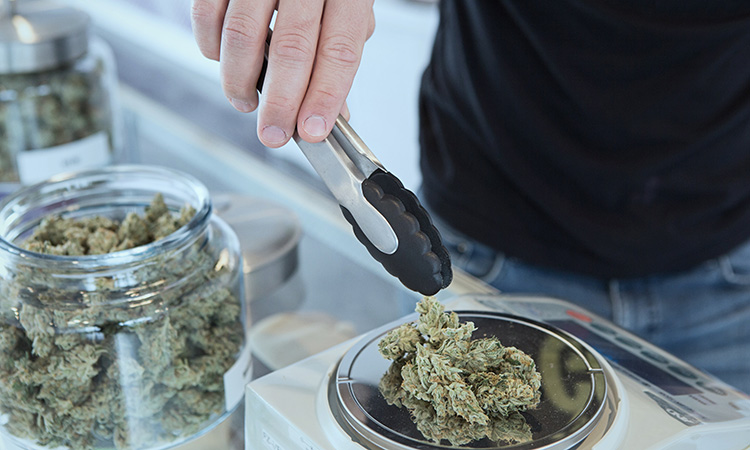
Menu Synchronization and Attribution
Preventing consumer frustrations by connecting the live inventory to your ad creative. POS-Synced Menus – You may only advertise what is in your shelves. When a popular item goes out of stock, our system updates the ad.
Last but not least, closed-loop attribution helps you to know precisely the return on your ad spending. This tool ties digital ad impressions to in-store sales data. Tracking allows to see which campaigns led to revenue and which ones need a little more tweaking.
Conclusion
To be a successful business in the cannabis market today, you must understand your operational model and your audience data. Whether your business is an adult-use shop or clinical patient center, your ad tech needs to fit with your overall objectives.
The power of paying for cannabis-native shopper data gives retailers a fulfilling competitive edge. Combining programmatic reach and menu tracking in real time, operators can reduce wasted ad spend. Building loyalty and setting up in an economy that is continuously changing through a data-driven threshold.
FAQs
- What is the difference between a recreational dispensary and a medical dispensary?
A recreational dispensary serves adults aged 21 and older, while a medical dispensary provides cannabis products to registered patients with qualifying medical conditions and must comply with stricter healthcare regulations.
- Why is zero-party shopper data valuable for cannabis marketing?
Zero-party shopper data comes directly from consumers who willingly share their preferences. It helps dispensaries deliver more relevant advertising while improving targeting accuracy and campaign performance.
- WhatarePOS-synced menus?
POS-synced menus automatically connect a dispensary’s inventory with digital advertisements. This ensures customers only see products that are currently available, creating a better shopping experience.
- How does a cannabis-native DSP improve advertising?
A cannabis-native DSP enables compliant programmatic advertising across approved publishers, helping dispensaries reach age-verified audiences through display, mobile, and Connected TV campaigns.
- What is closed-loop attribution in cannabis marketing?
Closed-loop attribution connects digital advertising activity with in-store purchases. It allows dispensaries to measure which campaigns generate sales and optimize future marketing investments.








Leave a Reply