
A healthy flock is a productive flock. Complementing electrolytes for chickens with a targeted regimen of chicken vitamins strengthens immunity, improves nutrient absorption, and supports steady growth — especially in free-range or organic systems where diet can vary day to day. While commercial feeds provide a baseline of nutrients, seasonal stress, heat, illness, or changes in forage can leave gaps. Using high-quality hen vitamins and electrolyte supplements — available in palatable liquid or powder forms from suppliers like Crown Pet Supplies — makes it simple to top up your birds’ needs without stress. Proper supplementation can mean firmer eggshells, fewer sick days, and in some studies, an egg yield increase of up to 15%.
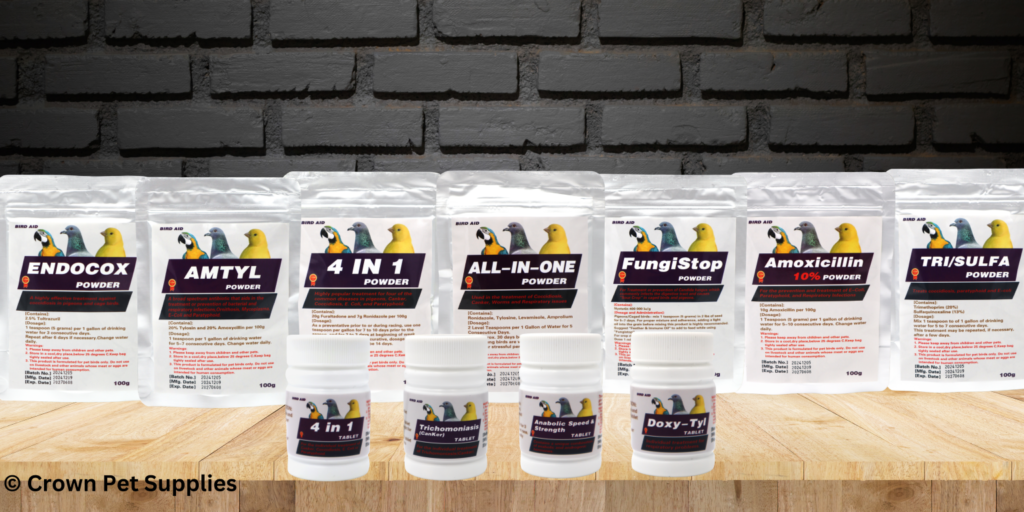
Why electrolytes and vitamins matter for your flock
Chickens, like all animals, depend on a balance of minerals, vitamins, and fluids to keep bodily systems running. Electrolytes control hydration, nerve impulses, and muscle function. Vitamins act as catalysts for metabolic processes: vitamin A for mucous membrane integrity, D for calcium absorption, E as an antioxidant, and B-complex for energy metabolism. When birds are heat-stressed, going through a molt, moving to a new coop, or battling disease, their needs spike. That’s when electrolytes for chickens and supplemental chicken vitamins become more than a nicety — they become essential tools to protect health and production.
Key roles at a glance
- Electrolytes for chickens: restore sodium, potassium, chloride and sometimes glucose; critical after heat stress, diarrhea, or intense activity.
- Chicken vitamins: support immune response, skeletal health, and egg quality; hen vitamins tailored to layers include extra calcium and phosphorus to support eggshell integrity.
- Combined effect: faster recovery from stress, reduced mortality in challenged flocks, and improved feed conversion and laying consistency.
Essential vitamins and what they do
Below are the main vitamins to prioritize when selecting a chicken vitamins supplement, with short practical notes on why each matters.
Vitamin A
Supports respiratory and gut mucosa; helps birds resist infections. Deficiency can cause poor growth and runny eyes or noses.
Vitamin D (and calcium synergy)
Vitamin D regulates calcium and phosphorus balance. For laying hens, adequate D plus calcium and phosphorus prevents soft-shelled eggs and egg production drops.
Vitamin E
A powerful antioxidant that preserves cell integrity. It helps young chicks develop and older birds resist oxidative stress.
B-complex vitamins
Includes B1, B2, B6, B12, niacin, pantothenic acid and folic acid; these promote appetite, growth, feather health, and energy metabolism. B vitamins are particularly helpful after antibiotic treatments or during recovery from illness.
Trace minerals (often included)
Zinc, manganese, selenium and others work with vitamins to support immunity and bone formation. Many commercial hen vitamins include these in balanced ratios.
When to use electrolytes for chickens
Electrolyte supplementation is a simple, immediate response to specific challenges. Use electrolytes for chickens in these situations:
- Heat stress: high temperatures cause panting and fluid loss; electrolytes help birds rehydrate and avoid egg drops.
- Diarrhea or digestive upset: restores lost salts and prevents dehydration while gut insults resolve.
- Transport, moving, or handling stress: a short course can blunt the physiological impact of stress.
- Post-vaccination or medication: when birds may temporarily reduce feed or water intake.
Electrolytes are typically mixed into drinking water for quick absorption. Pre-formulated poultry electrolyte powders or liquids are designed for easy mixing and palatability.
How to choose and administer supplements
- Pick the right form for your flock
- Liquid supplements are fast-acting and mix into water; excellent for short-term rehydration or when birds are picky feeders.
- Powders can be added to feed or water; they store well and are often economical for ongoing maintenance.
Crown Pet Supplies and similar brands offer both forms; pick what suits your management style and flock size.
- Follow label instructions and the “less is more” rule
Concentrated formulas can be strong; always use the manufacturer’s recommended dilution. Over-supplementing certain vitamins or minerals can cause imbalance. - Use targeted courses not constant dosing
Routine low-level vitamin inclusion is fine in some systems, but electrolytes are most effective as short-term treatments during stress events. - Monitor and adjust
Watch water intake, egg shell quality, feathering and general behavior. If problems persist, consult a poultry vet.
Practical tips for layers and free-range flocks
- For laying birds, choose hen vitamins labeled for layers; these include higher calcium and phosphorus to support eggshell formation and prevent osteoporosis.
- Free-range and organic flocks benefit particularly from supplementation because forage availability and composition change by season; vitamins help buffer that variability.
- Offer grit and access to oyster shell or calcium sources separately so hens can self-regulate mineral intake alongside vitamin supplementation.
- During molt, a short course of B-complex and vitamin E helps feather regrowth and overall recovery.
Safety and efficacy notes
Supplement quality matters. Choose reputable products formulated for poultry, and store them as directed to preserve potency. Studies from poultry scientists indicate that regular, appropriate vitamin supplementation can increase egg yield and reduce mortality in stressed flocks; anecdotal and producer data support measurable improvements when electrolytes are used during heat waves or disease outbreaks. Still, supplements are an adjunct to good husbandry not a substitute. Clean water, balanced feed, proper housing and biosecurity remain the foundation of a healthy flock.
Conclusion
Electrolytes for chickens and well-formulated chicken vitamins are practical, low-effort tools to fortify your flock’s immune system, stabilize production during stress, and promote robust growth. Whether you manage a backyard hobby flock or a small commercial operation, supplementing with quality hen vitamins and electrolytes in liquid or powder form — such as those available from Crown Pet Supplies — makes it easy to deliver the nutrients your birds need when they need them most. Use them thoughtfully, follow label guidance, and pair supplementation with solid husbandry. The payoff: stronger birds, better eggs, and more predictable flock performance.










Leave a Reply