
Finding the right career path can feel overwhelming, especially in a fast-changing professional world. Many people apply for dozens of roles without knowing whether those opportunities truly match their skills, values, or long-term goals. The key to building a satisfying career is not simply landing a job it is discovering work that aligns with who you are and what you want to achieve.
Modern professionals are increasingly focused on purpose, growth, and balance. Instead of chasing any available opportunity, they want meaningful roles where they can contribute and evolve. This shift has created a growing emphasis on smarter career strategies, digital tools, and personalized approaches that help people connect with the right opportunities more efficiently.
Why job matching Matters More Than Ever
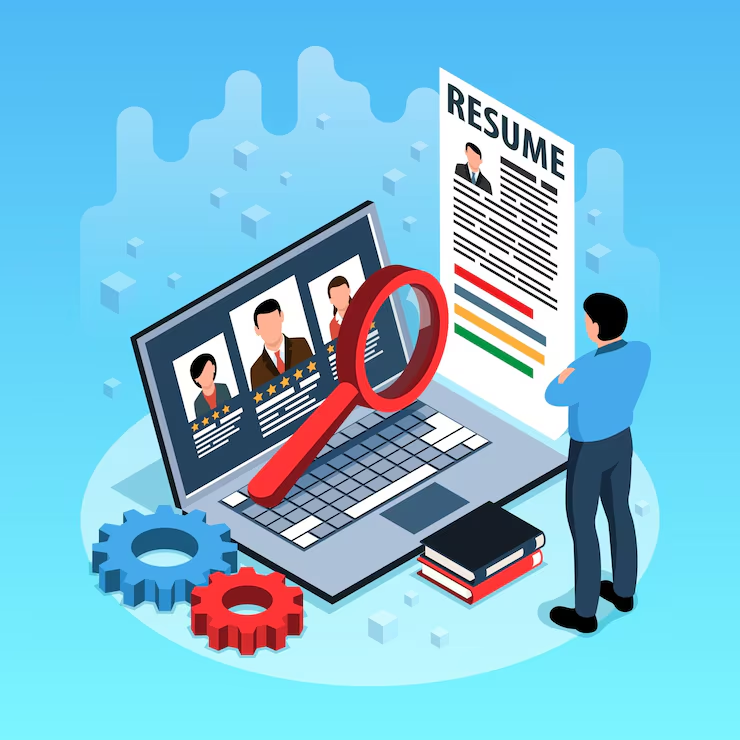
In today’s competitive landscape, job matching has become an essential concept for both job seekers and employers. It goes beyond comparing qualifications with job descriptions. Instead, it considers personality traits, work preferences, career ambitions, and even cultural compatibility within an organization.
When professionals find roles that genuinely suit their strengths, they tend to perform better and stay motivated. This leads to higher productivity, improved job satisfaction, and stronger workplace relationships. Companies also benefit because they build teams that are engaged and committed rather than simply present.
Technology has played a significant role in improving this process. Digital platforms, AI driven tools, and databased assessments help identify suitable opportunities with greater accuracy. Instead of relying only on resumes or traditional interviews, professionals can now explore options tailored to their unique profile.
The Human Side of job matching Success
While technology supports career discovery, the human element remains crucial in successful job matching. Emotional intelligence, communication style, and personal values influence how well someone adapts to a workplace environment. Understanding these aspects helps individuals make more confident career decisions.
For example, someone who thrives in collaborative settings may struggle in highly independent roles. Similarly, a person motivated by creativity might feel restricted in rigid, process driven positions. Recognizing these preferences allows professionals to target opportunities where they can genuinely excel.
One helpful approach includes:
- Reflecting on past experiences to identify what tasks, environments, or team dynamics felt most rewarding.
This simple step can reveal patterns that guide smarter career choices. By focusing on self-awareness, job seekers can reduce tailender and move toward roles that provide lasting fulfillment.
Strategies to Improve Your Career Alignment
Achieving better career alignment requires intentional effort and continuous learning. Professionals should start by evaluating their core skills and identifying areas where they can add the most value. Upskilling, networking, and seeking mentorship can further enhance clarity about suitable career paths.
It is also important to remain flexible. The modern job market evolves rapidly, and new opportunities emerge across industries. Being open to change allows individuals to discover roles they may not have previously considered. Additionally, exploring internships, freelance projects, or short-term assignments can provide valuable insights into different work environments.
Employers are also adapting their hiring practices. Many organizations now focus on potential rather than just experience. They use structured assessments, behavioral interviews, and real-world task simulations to understand how candidates may perform in specific roles. This shift creates a more balanced and effective hiring ecosystem.
Building Long Term Career Confidence
Career success is rarely a straight path. It involves exploration, learning from setbacks, and refining personal goals over time. When professionals prioritize alignment between their abilities and opportunities, they build stronger confidence in their career direction.
Support systems such as career coaches, peer communities, and professional networks can provide guidance during transitions. These resources help individuals stay motivated and make informed decisions. Ultimately, the goal is not just to find employment but to create a career journey that feels purposeful and sustainable.
Conclusion
Finding meaningful work is one of the most important pursuits in professional life. By focusing on thoughtful career strategies and embracing the principles of job matching, individuals can move closer to roles that truly reflect their strengths and aspirations. A balanced approach that combines technology, self-awareness, and continuous development makes it easier to navigate today’s dynamic job market.
With patience, curiosity, and the right mindset, every professional can discover opportunities that inspire growth and satisfaction. The future of work belongs to those who seek not just jobs, but the right fit for their unique potential.










Leave a Reply